Warm Fuzzy SVG Design: A Designer's Honest Review
Some designs arrive with a lot of noise and no soul. Others show up quietly and immediately make you think of something warm, personal, and genuinely wearable. Warm Fuzzy SVG Design falls into the second category. I opened the file expecting something cute, and I got something that actually feels like it belongs on a handmade gift, a cozy sweatshirt, or a boutique tote bag. That is not always the case with designs in the Graphics space, where many files lean more toward screen printing than thread and needle.
As someone who has tested hundreds of digital files for embroidery use, I look past the preview image pretty quickly. I think about how the design breathes on fabric, how the details hold up under a needle, and whether a customer would actually feel good buying a finished product with this stitched on it. So let me walk you through what I see in Warm Fuzzy SVG Design and where it fits into real embroidery work, craft business inventory, and handmade product planning.
First Impression: A Mood, Not Just a Graphic
The first thing that hits me with Warm Fuzzy SVG Design is the emotional tone. The name itself tells you what the designer intended, and the visual language backs it up. This is not a sharp, loud, or aggressive graphic. It carries a soft, comforting, slightly nostalgic mood that would resonate with people shopping for personalized gifts, baby items, cozy apparel, and holiday merchandise. I can picture a new mom seeing this on a onesie and smiling, or someone buying a matching sweatshirt set for a family reunion and feeling like the design actually says something about their vibe.
From a pure design standpoint, the shape and layout feel intentional. The composition reads well at a glance, which is crucial for embroidery. Overly complex designs with tiny scattered elements often turn into thread mud on fabric. This one appears to have a clear focal point and breathing room, which makes it suitable for stitch conversion without losing the original personality. The theme is warm, approachable, and versatile enough to cross over into multiple product categories within the Crafts world.
Where Warm Fuzzy SVG Design Naturally Belongs
I have a mental list of projects I test designs against, and Warm Fuzzy SVG Design checks several boxes right away. The sweet, gentle feel of the graphic makes it a natural fit for baby embroidery projects, nursery decor, and children's apparel. A soft cotton baby blanket with this design stitched in a muted pastel thread would look intentional and boutique-quality. I can also see it on a small embroidered patch sewn onto a knit cardigan or a child's backpack.
Moving into adult apparel, the design would work beautifully on a sweatshirt embroidery project. Picture a crewneck in a heathered oatmeal or dusty rose colorway, with this design stitched in a tonal thread that keeps the cozy vibe intact. That is the kind of product that sells consistently on Etsy and at craft fairs because it feels like a hug in clothing form. The design also suits tote bag design applications, especially for shops that lean into soft, minimalist, or sentimental branding. A canvas tote with this embroidery would make a lovely gift on its own or as packaging for a larger purchase.
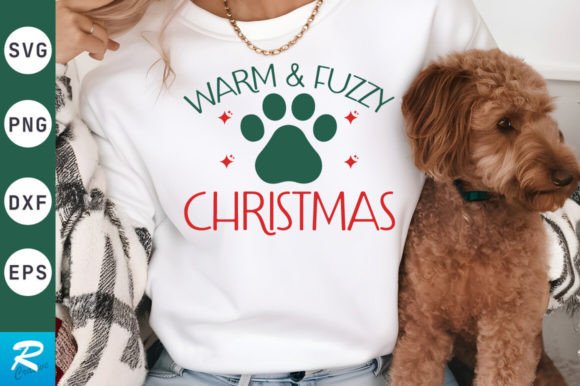
For seasonal work, holiday embroidery comes to mind. The warm, fuzzy concept pairs naturally with winter gift-giving, cozy-themed Christmas markets, and Valentine's Day product lines. I would also consider it for personalized gift items like embroidered pillow covers, tea towels for housewarming presents, and even aprons for someone who loves spending time in a warm kitchen. The design has enough charm to carry a product without needing a lot of extra text or embellishment.
How It Performs in Real Embroidery Scenarios
Let me move from theory to practical stitching. When I evaluate a design like Warm Fuzzy SVG Design for machine embroidery design use, I think about stitch types, fabric behavior, and how the final product will look after washing and wearing. SVG files are vector-based, which means they need to be digitized before embroidery machines can read them. The quality of the original design matters a lot here because clean lines, clear shapes, and thoughtful spacing make digitizing smoother and the final stitch-out cleaner.
This design has a layout that should translate well into a mix of satin stitch and fill stitch areas. The softer, rounded elements could work nicely with a light fill stitch that gives texture without becoming too dense or stiff on fabric. I would avoid heavy stitch density on this type of design because the whole point is softness, and overly dense embroidery can feel like armor on a t-shirt or baby garment. A skilled digitizer can preserve the gentle character of the artwork while keeping the stitch count manageable.
For fabrics, I recommend testing on medium-weight cotton, fleece, French terry, and canvas first. These surfaces hold embroidery well and complement the cozy aesthetic of the design. Lightweight or stretchy fabrics like thin jersey, ribbed knits, and performance blends need extra care. A good cutaway stabilizer becomes essential on those materials to prevent distortion and puckering. I also suggest testing on both light and dark fabric backgrounds. A design that looks soft and visible on cream might disappear on charcoal, so thread color contrast needs to be checked before committing to a full production run.
Where Caution Makes Sense
No design works everywhere, and Warm Fuzzy SVG Design has some boundaries worth respecting. I would be thoughtful about using it on very small hoop sizes. If the design has fine details, lettering, or delicate shapes, shrinking it down too far could cause those elements to close up or lose definition under thread. A 4x4 hoop might work for a simplified version, but I would test stitch it first before offering it in that size to customers.
Textured fabrics like terry cloth, waffle weave, and heavily napped fleece can also be tricky. The design's soft personality might get lost in a busy fabric surface, and small details could sink into the texture. I would use a topper or water-soluble stabilizer on top of the fabric to keep the stitches sitting cleanly on the surface. Caps and curved surfaces present another challenge. The shape of the design needs to work with the natural curve of a hat crown, and not all layouts translate well to that format. I would test on a structured cap before listing it as a cap-ready option.
Products that need frequent washing, like kitchen towels or baby bibs, require extra attention to thread choice and stitch security. Polyester thread holds up better than rayon for items that will see the laundry room often. I also recommend checking the design's edge finishing because loose thread tails or poorly secured trim areas can unravel after multiple washes and ruin the handmade product experience for the buyer.
Customer Perception and Product Value
One thing I have learned from selling embroidered goods is that customers buy feelings, not just products. Warm Fuzzy SVG Design delivers a feeling that is easy to market and hard to fake. The name alone gives you a story to tell in your product descriptions, social media captions, and Etsy listings. When a buyer sees "warm fuzzy" stitched onto a sweatshirt or a baby blanket, they already know what kind of experience they are getting. That kind of instant recognition builds customer trust and makes the buying decision easier.
From a branding perspective, this design supports a cohesive, gentle aesthetic that many small shops and creative entrepreneurs gravitate toward. It fits into a brand identity built around comfort, kindness, family, and thoughtful gifting. Using consistent design assets like this across a product line helps create brand consistency and makes your shop look polished and intentional. Buyers notice that, and they come back when they know what to expect from your products.
The giftability factor is high with this design. People shopping for baby showers, holiday presents, anniversary gifts, or just-because surprises are drawn to visuals that feel personal and warm. A product featuring Warm Fuzzy SVG Design does not need a lot of extra explanation. It speaks for itself, and that quiet confidence often translates into stronger sales and better reviews.
Practical Designer Notes for Stitching and Selling
Before you load this design onto your machine and start stitching for a client or shop inventory, let me share a few practical reminders that come from experience. First, test on scrap fabric. I know it sounds basic, but I have seen too many makers skip this step and end up with a batch of products that do not meet their standards. Run a sample stitch-out on the exact fabric and stabilizer combination you plan to use. Check the thread tension, color balance, and overall look before you commit to the final pieces.
Second, confirm your hoop size and check whether the design needs any resizing before digitizing. SVG files can scale, but embroidery has physical limits. What looks good on screen at three inches might not stitch well at that size. Work with your digitizer or software to find the sweet spot where the design retains its personality without sacrificing stitch quality.
Third, think about thread colors carefully. The warm, fuzzy concept lends itself to soft neutrals, muted pastels, and earthy tones. But do not be afraid to test a monochrome version in cream on natural linen or a subtle tone-on-tone look for a more elevated product. The design's mood can shift dramatically with color choices, and that flexibility is a real asset for small shop product development.
Fourth, check the licensing terms before you sell finished items or include the design in digital embroidery file bundles. If the product description from the original source does not specify commercial embroidery rights, reach out and confirm. Many designs in the Graphics category are intended for personal use or printed products, and embroidery use may fall under different terms. Clarifying this upfront protects your craft business and keeps everything above board.
Finally, consider creating printable mockup images using the design for your online listings. A clean, well-lit mockup showing the embroidery on a sweatshirt, tote, or baby item helps buyers visualize the finished product and increases engagement. The warm, inviting nature of this design photographs well, especially in lifestyle settings with soft lighting and natural textures.
Who Should Use Warm Fuzzy SVG Design
After spending time with this design and thinking through its applications, I believe it is a strong fit for Etsy sellers, handmade shop owners, and apparel decorators who serve a customer base looking for gentle, heartfelt products. If your shop specializes in baby gifts, cozy apparel, holiday collections, or personalized home goods, this design deserves a spot in your asset library. It also works well for crafters who make items for friends and family, because the design carries a universal warmth that suits many relationships and occasions.
For digital product sellers, the design offers a versatile foundation for creating embroidery-ready bundles, mockup kits, and design assets that appeal to other makers. The Crafts category thrives on designs that feel both personal and commercially viable, and Warm Fuzzy SVG Design strikes that balance effectively. It is not overly niche, yet it has enough personality to stand out in a crowded marketplace.
Overall, my evaluation of Warm Fuzzy SVG Design comes down to this: it is a design that understands its purpose. It does not try to be everything to everyone, and that restraint makes it more useful in real projects. Whether you are stitching a single gift for a loved one or building a product line for your small business, this design offers a solid foundation for creating something that feels genuinely warm, professionally finished, and deeply appreciated by the person who receives it.