Joy Love Paws SVG Design: A Designer's Honest Review
When a new embroidery design lands on my desk, I don't just glance at the preview and call it a day. I think about the fabric, the thread, the hoop, the stabilizer, the end customer, and whether the finished stitch will make someone smile or make someone shrug. The Joy Love Paws SVG Design caught my attention because it combines three words that carry emotional weight. Joy, love, and paws. That's a trifecta that speaks directly to pet lovers, family gift buyers, and anyone who wants their handmade product to feel warm and personal. But emotional appeal on a screen and emotional appeal after stitching are two different things. So let's walk through what I see, what I would test, and where this design would genuinely shine in a real embroidery project.
First Glance: The Mood This Design Creates
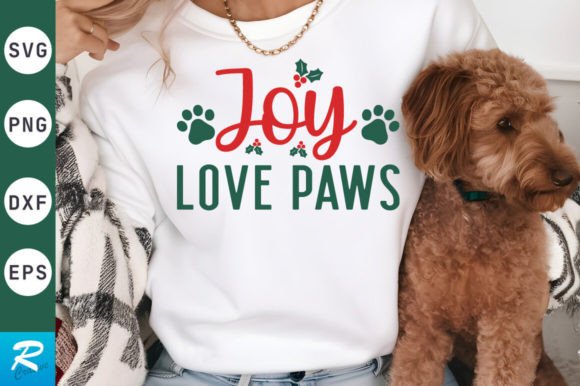
Opening the file, the first thing I notice is the typographic personality. The words "Joy," "Love," and "Paws" carry a soft, friendly, almost handwritten energy. This isn't a stiff, corporate typeface. It feels like something you'd see on a cozy sweatshirt at a weekend market, or on a canvas tote bag slung over a shoulder at a dog park. The paw element, whether integrated into the lettering or sitting beside it, gives the design an immediate audience. Pet owners. Rescue volunteers. Vet techs. Dog moms and cat dads. That clarity of audience is a major plus for any machine embroidery design because it means you know exactly who will stop scrolling and click "add to cart."
Visually, the shape feels balanced. The lettering doesn't crowd the paw motif, and the paw doesn't overpower the words. That kind of layout restraint matters in embroidery file work because dense, overlapping elements can turn into a muddy mess on fabric. Here, the breathing room between the text and the graphic element suggests the designer thought about stitchability, not just screen appeal.
Where This Design Would Actually Live
I'm picturing a real scenario. A small boutique owner is preparing for a spring craft fair. She wants a handful of handmade product options that feel personal but not overly niche. She pulls up the Joy Love Paws SVG Design and runs a test stitch on a medium-weight cotton canvas tote bag in natural cream. The lettering stitches out cleanly in a soft charcoal thread. The paw prints in a warm terracotta. The result is understated, readable, and instantly giftable. She pairs it with a matching keychain and sells out by noon.
That's not wishful thinking. That's the kind of product this design naturally belongs to. Tote bag design projects, sweatshirt embroidery placements on the left chest or center front, baby embroidery on a soft knit blanket, pillow covers for a cozy reading nook, aprons for the pet-loving baker, tea towels for a holiday gift set, and embroidered patch applications for jackets or backpacks. The theme is universal enough to cross over into multiple product categories, which is exactly what a craft business owner needs from a single digital embroidery file.
The Pet Lover's Gift That Actually Feels Personal
Generic pet-themed merchandise floods every big box store. What makes a personalized gift stand out is the texture and care of embroidery. When someone receives a custom apparel piece with the Joy Love Paws SVG Design stitched on it, the raised thread, the slight sheen of quality polyester or rayon, and the human touch of the maker all combine into something no mass-produced print can replicate. This design understands that. It doesn't try to be overly clever or complicated. It leans into simplicity and sentiment, which is exactly what buyers want when they're shopping for a loved one who just adopted a rescue dog or lost a beloved cat.
Practical Stitching Considerations
Here's where I put on my test-stitch hat. Before I commit this design to a customer order or a batch of small shop product inventory, I would run through a checklist that every embroidery designer should keep handy.
First, fabric choice. This design has a typographic focus, which means smooth, stable fabrics will show it best. Cotton canvas, linen blends, quality jersey with proper cutaway stabilizer, and fleece with a topper all work. I would avoid highly textured fabrics like thick terry cloth or loosely woven burlap for the lettering portions, because the satin stitch or fill stitch details could sink into the texture and lose definition.
Second, hoop size. Lettering with integrated graphics needs enough space around the design so the hoop doesn't crowd the stitch field. I would check the exact dimensions of the Joy Love Paws SVG Design before loading it into my machine. If the design is compact enough for a 4x4 hoop, it opens up baby onesies, caps, and small pouches. If it needs a 5x7 or larger, I'm looking at tote bags, sweatshirt backs, and pillow fronts. Both have value, but I need to know before I promise a client a finished product.
Thread Color and Contrast Decisions
One thing I've learned from years of stitching is that a design's color palette on screen rarely translates one-to-one onto fabric. The Joy Love Paws SVG Design gives the stitcher room to make smart color choices. On a light fabric, darker thread for the lettering keeps it crisp and readable. On a dark fabric, I'd test a lighter thread with a bit of sheen to make the paw and text pop. I always run a black-and-white mockup of any digital embroidery file before committing thread colors. If the design still reads well in grayscale, the contrast is strong enough to work on most backgrounds.
Stabilizer and Stitch Density
No review of an embroidery project is complete without talking about stabilizer. For this design, on a t-shirt or sweatshirt, I would use a medium-weight cutaway stabilizer to prevent shifting during the stitch run. On a tote bag, a tear-away might suffice, but I prefer the longevity of cutaway for anything that will see regular washing. The stitch density of the lettering is something I would inspect closely on a test run. Overly dense lettering on stretchy fabric can pucker. Underly dense lettering can look sparse and unprofessional. A good test on scrap fabric tells me everything I need to know.
The Commercial Angle: Selling Finished Products
For Etsy seller shops and small business owners who plan to sell finished items featuring this design, the conversation shifts from "will it stitch well" to "will it sell well." The answer leans toward yes, and here's why. The phrase "Joy Love Paws" hits a sweet spot. It's not seasonal, so it doesn't get boxed into holiday-only inventory. It works for holiday embroidery gifts in December, but it also works for Mother's Day, birthdays, adoption anniversaries, and everyday purchases. That kind of year-round relevance is gold for a craft fair product table or an online shop where you want consistent sales, not just seasonal spikes.
I would also consider how this design photographs. A printable mockup or a well-lit photo of the finished stitch on a neutral background can make a huge difference in buyer engagement. The clean lines and clear theme of this design mean it holds up well in thumbnail previews, which is where most digital embroidery file purchasing decisions happen.
Licensing and Usage Clarity
Before I stitch this design onto anything I plan to sell, I would confirm the licensing terms. The product description mentions it's for t-shirts and gifts, but as a professional, I need to know whether commercial embroidery use is allowed. Can I sell finished physical products at a market? Can I include it in a digital product bundle? Can I use it for client projects where I charge a fee for my stitching service? These questions are not about being difficult. They're about protecting my business and respecting the designer's work. I always recommend reaching out to the seller or reading the full license file before treating any design assets as commercial-ready.
What Customers Will Notice
I think about the end user a lot. The person who unwraps a custom apparel piece with this design on it. They won't care about stitch density numbers or hoop sizes. They'll notice the feeling. Does the design look intentional? Does it feel like something made just for them? The Joy Love Paws SVG Design has that quality. It feels specific without being exclusive. A dog owner sees it and thinks, "That's me." A cat lover sees it and thinks, "Finally, something that doesn't just say 'Crazy Cat Lady' in a weird font." The design respects the audience, and that respect translates into customer trust and repeat purchases.
Where to Be Extra Careful
No design is perfect for every application. I would avoid using this design on highly curved surfaces like the very front of a baseball cap unless the lettering is sized down and tested carefully. The paw element and the word spacing need a relatively flat surface to read correctly. I would also be cautious on extremely thin or stretchy fabric without proper stabilization. On dark fabric, I would test thread colors multiple times because what looks bright on a spool can look muted after stitching. And for small hoop sizes, I would check that the smallest details in the paw don't close up or lose definition. These are not dealbreakers. They're just the realities of working with machine embroidery design files in the real world.
Final Thoughts From the Stitching Table
After spending time with the Joy Love Paws SVG Design, I see it as a solid, versatile asset for a craft business or a personal project. It doesn't overpromise. It delivers a clean, emotionally resonant design that stitches well on the right fabric with the right settings. It fits into the Crafts category naturally, and as a Graphics product type, it offers the flexibility that embroidery digitizers and hybrid crafters need. Whether you're making a personalized gift for a friend, building inventory for your next market, or adding a reliable design to your Etsy seller lineup, this one earns its place in your library. Test it on scrap fabric first, dial in your thread colors, know your hoop size, and then stitch with confidence. That's how good embroidery project decisions get made.