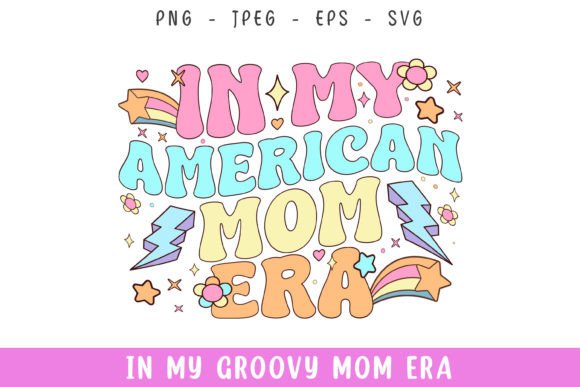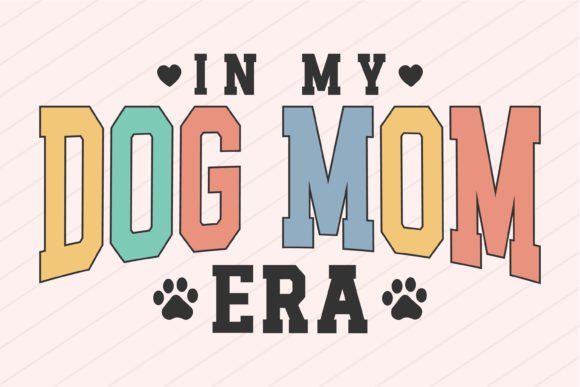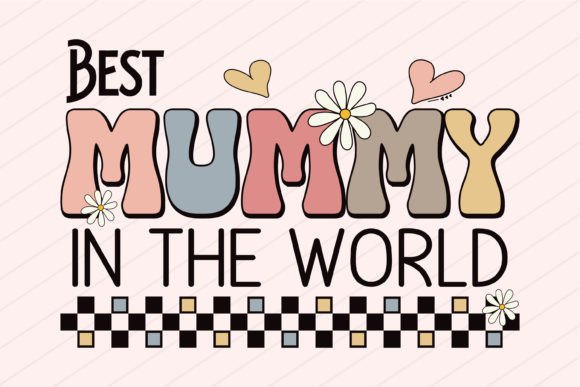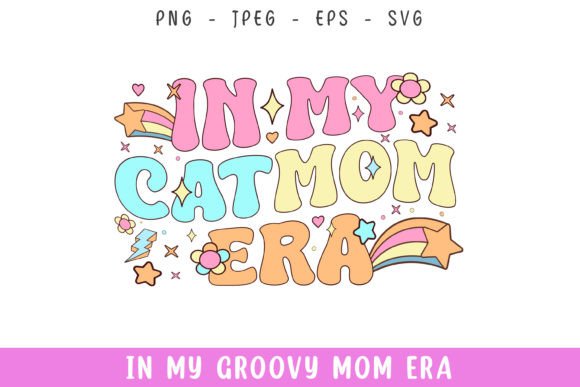
Retro Groovy Mama
First Impressions: Warm, Witty, and Instantly Recognizable
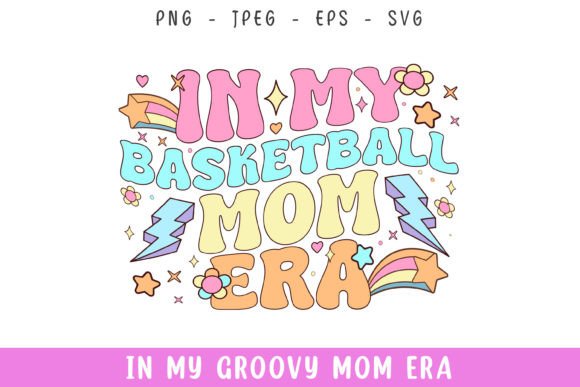
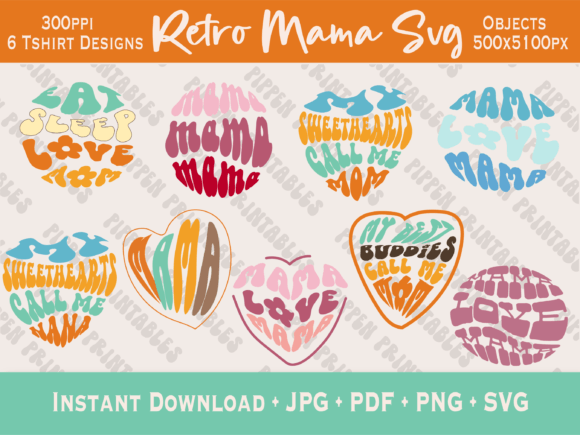
Opening the Retro Groovy Mama bundle feels like flipping through a well-loved 70s scrapbook—sunshine yellow, burnt orange, avocado green, and that unmistakable hand-drawn confidence. It’s not just “retro”; it’s personality stitched into shape. The central motif—a stylized mama figure with big hair, round sunglasses, and a peace sign necklace—carries playful weight without tipping into kitsch. The typography is chunky but legible, with subtle bounce in the letterforms. As an embroidery designer who’s stitched hundreds of mother-themed designs, I immediately sensed this one would hold up not just as a graphic, but as a machine embroidery design with rhythm and breathing room.
A Real Project Test: Embroidering a Linen Tote for a Boutique Launch
Last week, I used Retro Groovy Mama on a natural linen tote bag for a local gift shop’s Mother’s Day pop-up. We chose a medium-weight cotton-linen blend—textured enough to feel artisanal, stable enough for clean stitching. I hooped it with tear-away stabilizer (lightweight cutaway underneath for extra security), and ran the design at 85% scale to keep proportions balanced on the bag’s front panel. What stood out wasn’t just how vibrant it looked, but how readable it stayed after stitching: the satin-stitched outline of the sunglasses held crisp edges, the fill stitches in the hair didn’t pill or blur, and the tiny peace sign stayed distinct—not lost in dense thread. Customers paused. Smiled. Said, “That’s *her*.” That kind of instant emotional connection is rare—and valuable—for any handmade product meant to resonate.
Where Retro Groovy Mama Shines (and Where It Needs Thought)
This isn’t a one-size-fits-all embroidery file. Its charm lives in its confident scale and intentional spacing—so it thrives on custom apparel like crewneck sweatshirts, denim jackets, and canvas aprons. It reads beautifully on tea towels, pillow covers, and baby onesies (scaled down thoughtfully, of course). For Etsy sellers and small shop owners, it’s a strong anchor for bundles—pair it with coordinating floral borders or retro-type add-ons for higher perceived value.
But here’s where realism matters: Retro Groovy Mama isn’t ideal for tiny hoops under 4x4 inches without simplification. The curved neckline of the mama figure and the delicate loop of the peace sign need breathing room. On stretchy fabric like ribbed knits or thin jersey tees, you’ll want a firm cutaway stabilizer and possibly reduced stitch density to avoid puckering. And while it pops on light fabrics, testing contrast on dark backgrounds is non-negotiable—some thread colors lose definition against charcoal or navy unless you adjust underlay or add a white underlay layer.
Design Notes You’ll Actually Use
- Always test on scrap fabric first—especially if pairing with textured weaves like burlap or terry cloth. The design’s bold lines handle texture well, but fine details can disappear in nap.
- Review stitch density before running. This isn’t a low-density fill-stitch design—it builds dimension, so check your machine’s capability and stabilizer match.
- Inspect corners and curves. The rounded shoulders and flowing hairline are designed to flow, but on curved surfaces like caps or baby hats, slight repositioning or digitizing tweaks may improve registration.
- Try black-and-white mockups. Retro Groovy Mama relies on shape and silhouette as much as color—so if it reads clearly in grayscale, you’ve got strong visual hierarchy for branding or monochrome merchandise.
- Confirm licensing terms before selling finished items or bundling digitally. As a digital embroidery file, its commercial use depends on the creator’s terms—not assumed.
Why It Builds Trust—Not Just Cuteness
In my decade reviewing embroidery design assets for craft businesses, I’ve seen how quickly “cute” becomes forgettable. Retro Groovy Mama avoids that trap by balancing nostalgia with clarity. It doesn’t shout; it winks. That tone translates directly to customer trust—especially for personalized gifts. When someone orders a custom embroidered sweatshirt with this design, they’re not buying decoration. They’re buying recognition: “This *gets* her.” That feeling elevates perceived value, supports premium pricing, and encourages repeat buyers. For boutique branding or holiday embroidery collections, it adds cohesive personality without demanding uniformity across every item.
Fabric & Finish Considerations for Longevity
I washed the linen tote three times—cold gentle cycle, air-dried—and the stitching held firm. No fraying, no loosening. That durability speaks to thoughtful digitizing: balanced tension, strategic jump stitches, and appropriate underlay for key curves. Still, for products meant for frequent washing—baby embroidery, kitchen towels, or kids’ apparel—I’d recommend reinforcing high-stress areas (like the top of the peace sign or inner curve of the sunglasses) with a light tack-down stitch if editing the file. And always match thread quality to end use: poly for durability on workwear, rayon for sheen on boutique pillow covers.
A Design That Serves Your Business—Not Just Your Hoop
Retro Groovy Mama works because it’s both specific and flexible. It’s unmistakably for mothers—but not limited to Mother’s Day. I’ve seen it reimagined for teacher appreciation (swap “Mama” for “Mrs.”), new-mom welcome kits, and even retro-themed bridal showers. As a craft business owner, that versatility means fewer seasonal redesigns and more consistent inventory. As an Etsy seller, it pairs naturally with printable mockups—show it on a sweatshirt, then on a patch, then on a tea towel—and customers instantly grasp its range. That kind of visual storytelling reduces friction in the buyer journey.
Final Thought: It’s Not Just a Graphic—It’s a Conversation Starter
At its core, Retro Groovy Mama succeeds because it treats embroidery as communication—not decoration. Every curve, color choice, and spacing decision invites warmth, wit, and respect. Whether you’re stitching it on a baby blanket for a first-time aunt or screen-printing it alongside embroidery on a small shop’s limited-run apron, it carries intention. That’s what makes it more than another graphics bundle. It’s a quiet, groovy reminder that the best crafts don’t just look good—they make people feel seen.