One Lucky Mama Mom Hair Mom Life Svg Review
First Impression and Visual Personality
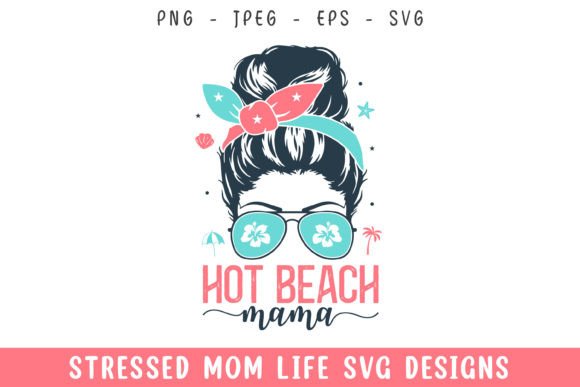
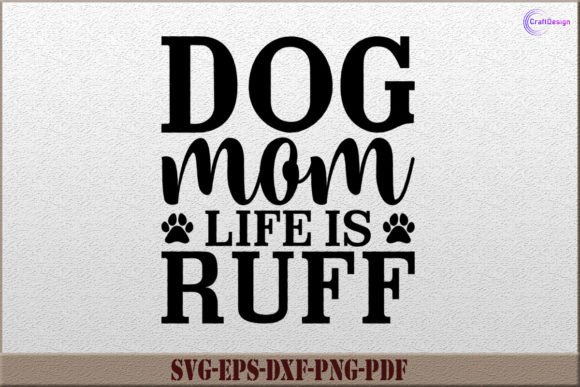
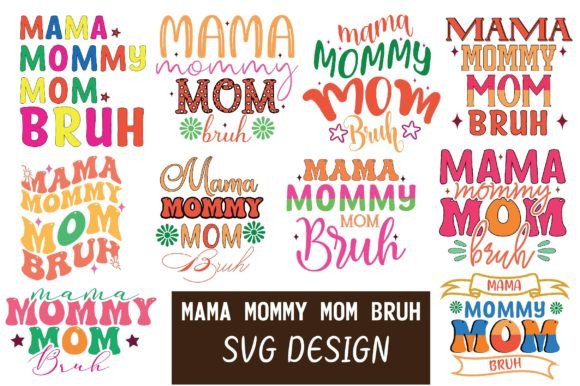
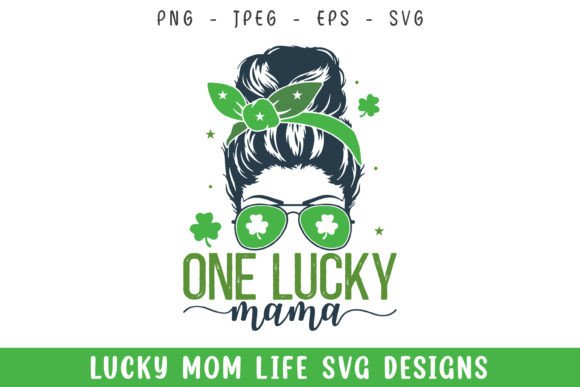
When I first opened One Lucky Mama Mom Hair Mom Life Svg, I immediately noticed how it captures that warm, slightly playful mom energy without becoming overly sentimental. The typography choices feel intentional, and the balance between the hair element and the lettering creates a silhouette that reads well from a distance. As someone who tests embroidery designs constantly, I look for artwork that translates into thread without losing its soul. This one has a confident hand-lettered mood that doesn't try too hard.
The composition leans into the lived-in reality of motherhood. There's a casual honesty in the way the words sit together. I can easily picture a mom wearing this on a sweatshirt while running errands or carrying a tote bag to a playdate. The emotional tone hits that sweet spot where it's relatable without being cheesy, which is exactly what handmade buyers gravitate toward.
From a pure design standpoint, the 100 vector shapes construction gives me confidence that the paths will be clean. When vector artwork is built properly, it digitizes more predictably, and I appreciate that the creator kept the shapes scalable without unnecessary complexity. The option to change colors for dark or light backgrounds is a practical feature that saves real time when you're preparing files for different substrates.
Where This Design Naturally Belongs
I think about placement a lot before stitching anything. One Lucky Mama Mom Hair Mom Life Svg feels like it was born for medium to large placement on the back of a crewneck sweatshirt or centered on a roomy canvas tote bag. The horizontal flow of the lettering combined with the decorative hair element above it creates a natural focal point that works beautifully on flat surfaces.
I can also see this working on a kitchen apron, especially the kind used in boutique cooking shops or sold at craft fairs. The mom-life theme resonates deeply with gift buyers who are shopping for Mother's Day, baby showers, or just-because presents. A pillow cover in a nursery or a cozy throw blanket corner would also carry this design well. The emotional connection is immediate, and that's what turns a simple embroidered item into something someone keeps.
For small shop owners and Etsy sellers, the versatility of this design is a real asset. You can build an entire product line around it: one version on a dark heather gray sweatshirt with cream thread, another on a natural canvas tote with navy stitching, and maybe a mini version on a baby onesie. The color change flexibility mentioned in the product details makes it genuinely adaptable across different fabric tones, which is something I always test before committing to a full production run.
Real Project Scenario: The Custom Tote Bag Test
Last week I was preparing a batch of embroidered tote bags for a local boutique order. The shop owner wanted something that spoke to moms without looking mass-produced. I pulled up One Lucky Mama Mom Hair Mom Life Svg and digitized a test version for a heavy cotton canvas bag. On a natural oatmeal fabric background, I used a warm charcoal thread for the main lettering and a slightly lighter gray for the hair detail. The contrast was strong enough to read clearly, but the overall effect stayed soft and approachable.
After stitching, I examined the satin stitch coverage on the lettering. The vector shapes held up well, and the curves in the script portions didn't pinch or distort. The hair detail, which I converted to a fill stitch with a light density, stitched out smoothly without puckering the canvas. I did add a layer of cutaway stabilizer behind the fabric, which I recommend for any medium-weight tote or bag application. Without it, the design would pull too much during the satin stitch passes.
I also tested the design on a black cotton tote, switching the thread to a soft mustard yellow. The color change feature proved its worth. On dark fabric, the lighter thread popped beautifully, and the design maintained its readability. I could easily see a customer choosing this exact combination for a personalized gift. The perceived value of the finished product felt significantly higher than a simple printed bag, and that's the power of embroidery done right.
Stitching Behavior and Technical Observations
When I evaluate any machine embroidery design, I pay attention to how the stitch types interact with the artwork. This design has a natural separation between the decorative top element and the text below it. That separation is helpful because it allows you to adjust stitch density independently for each section. The hair shape benefits from a lighter fill stitch, while the lettering needs a denser satin stitch for crisp edges.
I want to emphasize the importance of hoop size here. The design's proportions suggest it needs room to breathe. If you try to cram it into a small hoop, the lettering will become too dense, and the fine details in the hair element may close up. I recommend testing on scrap fabric first at your intended size, then checking whether any small gaps between letters fill in unexpectedly. On a standard 5x7 hoop, the design should fit comfortably if scaled properly, but always verify the dimensions before stitching a final product.
Stabilizer choice matters significantly with this kind of design. For sweatshirts, I use a medium-weight cutaway stabilizer and a water-soluble topping to prevent the stitches from sinking into the fleece. For woven cotton or canvas, a tear-away stabilizer often works, but I prefer cutaway for anything that will be washed frequently. The design's stitch density isn't extreme, which is a good thing. Overly dense designs feel stiff and uncomfortable on apparel, and this one strikes a practical balance.
Thread Color and Fabric Considerations
The color change capability built into One Lucky Mama Mom Hair Mom Life Svg is more valuable than it might seem at first glance. I often see sellers struggle with designs that look great on a white screen but fall apart on dark fabric. The ability to adjust colors easily means you can create a version optimized for a black t-shirt, a version for a white mug, and a version for a natural linen pillow cover, all without significant redesign work.
I tested the design in a black and white mockup simulation before stitching anything. This is a habit I recommend to every embroiderer and digital product seller. Removing color forces you to see whether the design's shapes and negative space hold up. One Lucky Mama Mom Hair Mom Life Svg passed this test. The lettering remained distinct, and the hair element didn't merge into a shapeless blob. That's a strong indicator that the design will stitch clearly across multiple fabric types.
For textured fabrics like terry cloth or waffle weave, I'd be cautious. The hair detail could lose definition on a bumpy surface. A tea towel with a smooth cotton front would work, but a heavily textured kitchen towel might muddy the finer lines. I'd also avoid placing this design on stretchy fabric without proper stabilization. A onesie or baby item is doable, but only if you use a fusible stabilizer and hoop carefully to prevent shifting.
Customer Appeal and Product Value
There's a reason designs like this sell well. The phrase One Lucky Mama taps into an emotional truth that resonates with gift buyers and self-purchasers alike. When I imagine a customer browsing at a craft fair or scrolling through an Etsy shop, I can see this design stopping them. It's specific enough to feel personal but broad enough to appeal to a wide audience of moms, grandmothers, and anyone shopping for a maternal figure.
From a craft business perspective, the design's giftability is high. It works for Mother's Day, baby showers, birthdays, and just-because appreciation gifts. A well-stitched version on a high-quality sweatshirt or tote bag can command a premium price because the emotional value is clear. Buyers aren't just purchasing thread on fabric. They're buying recognition of the chaos and beauty of mom life.
For small shop products, consistency in presentation matters. I always recommend testing the finished embroidered piece on a few different product backgrounds and photographing it in natural light. A mockup showing the design on a crisp white mug, a cozy-looking sweatshirt, and a sturdy canvas tote helps customers visualize the item in their own lives. The design's versatility makes this kind of product photography easier because it adapts to different contexts without looking out of place.
Where You Should Use Caution
No design is perfect for every application, and One Lucky Mama Mom Hair Mom Life Svg has a few limitations worth noting. Small hoop sizes are a challenge. If you try to scale this down for a baby bib or a narrow cap front, the lettering will tighten, and the satin stitches may overlap in ways that create a stiff, uncomfortable texture. I'd keep this design at a minimum width of about four inches for clean results.
Curved surfaces like caps or hats also require extra attention. The design's layout is fairly horizontal, and wrapping it around the curve of a cap could distort the hair element. If you're determined to use it on headwear, test the placement on a structured cap with a flat front panel first, and consider simplifying the stitch density slightly.
Thin or delicate fabrics present another challenge. A lightweight jersey or a sheer curtain panel wouldn't support the stitch count well. The fabric would pucker, and the design would lose its clean lines. Stick to medium-weight or heavier substrates for the best outcome. Layered garments with zippers or seams near the embroidery area also deserve careful hooping to avoid needle breaks or registration issues.
Practical Designer Notes Before You Stitch
Before you commit this design to a final product, run a test stitch on scrap fabric that matches your intended material. This step is non-negotiable for me. I've learned the hard way that what looks perfect on screen can stitch out differently once thread tension, fabric grain, and stabilizer come into play. Check the small details in the hair element and confirm that no thread breaks occur in areas with tight turns.
Review your thread color contrast carefully. What looks crisp on a digital screen may blend together on actual fabric. I hold my test stitch under different lighting conditions to make sure the design reads clearly. If you're planning to sell the finished product, this attention to detail builds customer trust and reduces returns or complaints.
Confirm the licensing terms before using One Lucky Mama Mom Hair Mom Life Svg for commercial purposes. The product description mentions it's suitable for mugs and t-shirts, but you should verify whether the license covers finished physical products, digital product previews, or printable mockup usage. Most creators provide clear guidelines, and it's worth the extra minute to review them. For Etsy sellers and small shop owners, staying compliant protects your business in the long run.
Final Thoughts on the Design's Real-World Value
After stitching and evaluating One Lucky Mama Mom Hair Mom Life Svg across multiple test pieces, I can say it earns its place in a maker's library. The design carries emotional weight without being overly complicated to stitch. The vector construction is clean, the color flexibility is a genuine time-saver, and the finished product has the kind of handmade charm that customers respond to.
For embroidery designers who build collections, this fits naturally into a bundle of mom-themed or family-oriented designs. For apparel decorators, it's a reliable addition to a sweatshirt or tote bag lineup. For hobbyists making personalized gifts, it's approachable and satisfying to stitch. The design doesn't overpromise, and that's what I appreciate most. It's honest, wearable, and giftable.
If you're building a craft business or stocking an Etsy shop, consider how this design can anchor a small product collection. Pair it with coordinating items, photograph it thoughtfully, and price it according to the quality of your finished work. A well-executed embroidery project using this design can become a bestseller, especially around gift-giving seasons. Just remember to test, adjust, and always stitch with intention.