Homebody,stayhome Svg: A Designer's Real-Talk Review
I've been staring at the Homebody,stayhome Svg for a good twenty minutes now, and honestly, it's one of those designs that immediately makes you think about slippers, warm coffee, and a quiet Sunday morning. But the real question isn't whether it looks cute on a screen. It's whether this machine embroidery design will hold up when you're actually stitching it onto a sweatshirt at 11 p.m. for a customer order that ships tomorrow. That's the lens I always use, and that's exactly what I'm going to walk through here.
This design falls squarely into the Graphics category, but for anyone who works with thread and fabric, we both know that a pretty graphic doesn't always translate into a clean stitch-out. So I'm going to break down what I see, where this design would shine, what could go wrong, and how to make it work for real Crafts projects, boutique merchandise, or handmade gifts that people actually want to buy.
First Impression: The Mood Is Instant and Familiar
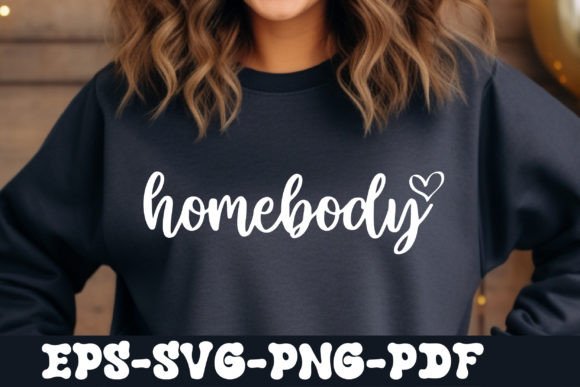
Right away, the Homebody,stayhome Svg feels like a love letter to introverts, tired parents, and anyone who genuinely enjoys staying in. The lettering style tends to lean casual and approachable, which is exactly what you want for a sweatshirt embroidery or a cozy tote bag design. It doesn't try too hard to be fancy, and that's the point. The design reads as authentic, not performative.
From an embroidery standpoint, the mood matters. When I evaluate a digital embroidery file, I'm always thinking about the person who will wear it or use it. A design like this needs to feel like a quiet statement, not a loud graphic. The shape, the spacing, and the overall visual weight all suggest something that would look right at home on a relaxed-fit tee, a kitchen towel hanging near the coffee maker, or a canvas tote slouched over a chair.
What I appreciate most is that the theme doesn't try to be everything at once. It knows exactly who it's for, and that kind of clarity is gold when you're building a small shop product line or listing items on Etsy. Customers who buy "homebody" and "stay home" themed items are usually looking for comfort, identity, and a little bit of humor. This design delivers that without over-explaining.
Where This Design Naturally Belongs
I've been mentally placing the Homebody,stayhome Svg on different products, and a few clear winners emerge. The first is a slouchy crewneck sweatshirt. The kind of garment someone throws on after work and doesn't take off until bedtime. The lettering would sit beautifully across the chest or even centered on the upper back. Because the phrase is short and direct, it doesn't demand a massive hoop size, which is a relief for anyone working with a standard single-needle machine.
The second natural fit is a tote bag design. Canvas totes are forgiving, and they take fill stitch and satin stitch details really well. I can see this design stitched onto a natural cotton tote with a contrasting thread color. Nothing too bright. Maybe a muted terracotta or a faded olive green. The kind of bag someone carries to the farmer's market or uses as a project bag for knitting.
Another strong candidate is a pillow cover. A linen or cotton-linen blend pillow with this design centered on the front would make a lovely housewarming gift or a personalized gift for a friend who just moved into a new place. The phrase "homebody" on a pillow practically markets itself. It's cozy, it's self-aware, and it fits the handmade product aesthetic perfectly.
For baby embroidery or nursery decor, I'd be a little more selective. The "stay home" sentiment is sweet for a nursery, but I'd want to test the size and thread color carefully. A soft pastel version on a baby blanket or a small embroidered patch on a onesie could work, but the lettering needs to be large enough to remain legible after washing. Tiny text on baby items is a risk I've learned to respect the hard way.
Real-Life Scenario: The Custom Tote Order That Taught Me Something
Let me paint a picture. A few months ago, a client asked me to create a set of embroidered totes for a small bookshop event. The theme was "quiet weekends," and the Homebody,stayhome Svg would have been perfect for that project. I could have used it on natural canvas totes with a deep navy thread, paired with a simple book stack graphic on the reverse side. The client wanted something that felt personal but not fussy, and this design's straightforward lettering would have balanced the whole finished product beautifully.
In that scenario, I would have tested the design on scrap fabric first. Always. Even a design that looks clean on screen can surprise you when the stitch density hits the fabric. Canvas is sturdy, but if the lettering is too dense, you'll get puckering around the edges. I'd run a test stitch, check the hoop size compatibility, and adjust the stabilizer choice based on how the fabric behaves. For canvas totes, I usually go with a medium-weight cutaway stabilizer. It holds up through washing and keeps the design crisp for years.
The client would have loved the result because the design speaks directly to a specific customer. Someone who walks into a bookshop, picks up a tote that says "homebody," and immediately feels seen. That's the kind of customer trust and buyer engagement you can't force with a generic design. The Homebody,stayhome Svg has that quiet confidence built right in.
Stitching Reality: What Works and What Needs Attention
Now let's talk about the actual stitching behavior. Lettering designs, especially casual script or bold sans-serif styles, can be tricky. If the letters are too thin, the running stitch or satin stitch might not cover cleanly. If they're too thick, you risk a dense, stiff patch that feels uncomfortable on custom apparel. The ideal version of this design would have lettering with enough width to support a smooth satin stitch without turning into a bulletproof block of thread.
I always recommend testing the design on a similar fabric to your final product. If you're planning to stitch on a sweatshirt, test on a sweatshirt-weight scrap. The nap of the fabric can swallow small details, and what looks crisp on quilting cotton might look fuzzy and indistinct on fleece. The same goes for dark fabric. Light thread on dark fabric creates contrast, but it also highlights every tiny imperfection. So your stitch density and tension need to be dialed in perfectly.
For caps or curved surfaces, I'd be cautious. The Homebody,stayhome Svg probably works best on flat or gently curved surfaces. Hats demand careful placement and often require a design to be split or adjusted for the center seam. If you're set on a cap project, test the placement on a practice cap first, and be prepared to adjust the hoop size and positioning. The design's layout might need tweaking to avoid the center seam distortion.
Fabric and Stabilizer: The Behind-the-Scenes Heroes
I can't stress this enough: the right stabilizer makes or breaks an embroidery project. For a design like this, which likely relies on lettering as the main visual element, you need stability without stiffness. On stretchy fabric like a t-shirt or a thin knit, a no-show mesh stabilizer combined with a temporary adhesive spray can keep the fabric from shifting. The last thing you want is a "homebody" design that looks wavy and distorted after the first wash.
For tea towels and kitchen towels, I'd use a water-soluble topper in addition to the stabilizer. Towels have a textured surface, and the topper keeps the stitches from sinking into the fabric loops. The result is a cleaner, more professional finished product that holds up to frequent washing. If you're making these for a craft fair or a small business lineup, that extra step is worth it. Customers notice the difference between a design that sits on top of the fabric and one that looks like it's fighting the texture.
Color Choices and Thread Contrast
One exercise I always do with a new design is a mental black-and-white test. If the Homebody,stayhome Svg were stitched in a single color with no shading, would it still read clearly? For a design like this, the answer should be yes. The lettering needs to hold its own without relying on color tricks. That's important for commercial embroidery where you might be offering the design in multiple thread colors across different products.
I'd recommend testing the design in a few contrasting thread and fabric combinations. Light thread on a dark sweatshirt, dark thread on a light tote, and a mid-tone on a natural linen pillow cover. Each combination changes the visual appeal and the overall mood of the piece. For a boutique product or a personalized gift, offering a curated color palette can make the design feel more premium and intentional.
Small Details, Big Impact
If the Homebody,stayhome Svg includes any decorative accents, tiny flourishes, or secondary text, those are the spots where I'd pay the closest attention. Small details can close up during stitching, especially if the stitch density is too high or the hoop size forces the design to scale down. I've lost count of how many times I've seen a beautiful design lose its charm because the tiny accent dots turned into blobs or the fine lines disappeared entirely.
When you're preparing the design for an Etsy listing or a craft business product, make sure you stitch out the exact size you plan to sell. Don't assume the design scales perfectly. What works at a 5-inch hoop might not work at a 4-inch hoop. Test the smallest and largest sizes you plan to offer, and be honest with yourself about what looks good. A handmade product only earns customer trust when the quality is consistent.
Commercial Use and Licensing Considerations
If you're planning to use the Homebody,stayhome Svg on products you sell, whether through your own website, Etsy, or at in-person markets, you need to confirm the licensing terms. The product description mentions that the designs come in various formats, but I don't see explicit details about commercial embroidery rights or finished product sales. So before you stitch this onto a sweatshirt and list it, double-check with the seller. Most digital embroidery file creators are clear about what's allowed, but it's your responsibility to verify. I've seen too many small shop owners run into issues because they assumed a design was cleared for commercial use.
For printable mockups and digital product previews, the same caution applies. If you're using the design to showcase your embroidery work in a listing photo, make sure the license covers that type of display. It's a small administrative step, but it protects your brand consistency and keeps your business above board.
Who Should Actually Use This Design
The Homebody,stayhome Svg is a strong fit for embroidery designers who create cozy, relatable, everyday-wear products. If your brand leans toward casual comfort, self-care themes, or introvert-friendly humor, this design will resonate with your audience. It's also a great entry point for Etsy sellers who want to test a new product category without investing in a complex, multi-color design.
For apparel decorators and handmade shop owners, this design offers flexibility. It can work on a sweatshirt, a tote bag, a pillow cover, or even a kitchen towel set. The theme is broad enough to appeal to different customer segments, from new moms to retirees, without feeling generic. And for holiday embroidery or giftable items, the "stay home" sentiment takes on a warm, seasonal feel when paired with the right fabric and packaging.
I'd also recommend it to hobbyists who want to make something for themselves or a friend. Sometimes the best projects are the ones without a deadline, where you can take your time testing thread colors and fabric combinations until the finished product feels just right. This design is a great candidate for that kind of slow, satisfying stitching.
Final Designer Notes Before You Stitch
If you're about to load the Homebody,stayhome Svg into your embroidery software, here's my practical checklist. Test on scrap fabric that matches your final product. Check thread color contrast on both light and dark backgrounds. Review stitch density and adjust if the design feels too heavy or too sparse. Confirm your hoop size can accommodate the design at the scale you want. Inspect any small lettering or decorative elements for clarity. Use the right stabilizer for your fabric type. And most importantly, stitch out a complete sample before you commit to a full production run.
The Homebody,stayhome Svg has the kind of quiet, relatable charm that makes people smile when they see it. It's not flashy, and it doesn't need to be. It's a design that knows its audience, and when you stitch it with care, it becomes the kind of handmade product that customers reach for again and again. Whether it's a personalized gift for a homebody friend, a new addition to your craft business lineup, or a cozy sweatshirt embroidery for your own weekend wardrobe, this design earns its place in your project list.