Best Mom Ever SVG Design: Embroidery Review
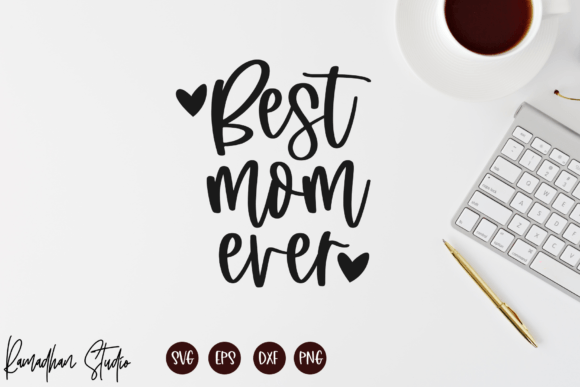
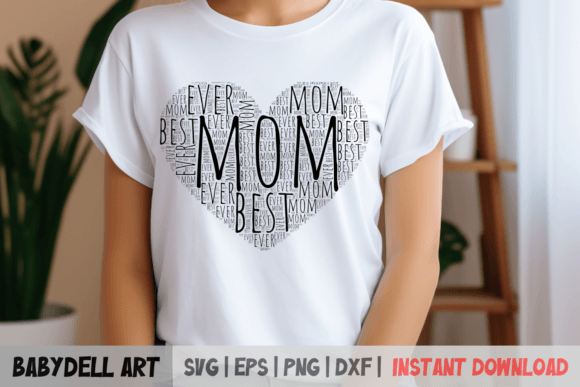
As a designer who spends more time testing embroidery files than actually stitching finished products, I opened the Best Mom Ever SVG Design for Sublimation with a mix of curiosity and practicality. I know it’s marketed as a sublimation-ready graphic, but my mind immediately went to thread, stabilizer, and a 4x4 hoop. The design itself is clean, warm, and surprisingly versatile. The moment I saw the typography, I pictured it on a simple canvas tote or a soft cotton apron—something a customer would genuinely reach for every day. The lettering flows with a gentle, handwritten feel. It’s not overly ornate, which is a huge plus when you’re thinking about stitch clarity and fabric behavior.
What struck me first was the mood. The phrase “Best Mom Ever” carries a lot of emotional weight, and the layout feels like a sincere compliment rather than a loud statement. The descenders and ascenders are balanced, and the spacing suggests the designer actually thought about how the letters would interact. For a machine embroidery design adaptation, that’s gold. Crowded lettering is the fastest way to lose readability in thread, and this design avoids that trap. I could already see it digitized with a mix of satin stitch for the main words and maybe a delicate running stitch for any tiny accent lines. The mood is nostalgic, slightly playful, and definitely saleable for Mother’s Day, birthdays, or just-because gifts.
First Look: A Shape That Welcomes Thread
I rarely use an SVG straight out of the box for embroidery without a conversion step, but I evaluate the bones of the design first. The Best Mom Ever SVG Design for Sublimation has a naturally horizontal orientation, which means it’ll sit beautifully across the chest of a sweatshirt or the center of a pillow cover. The overall shape is soft, no sharp corners that would translate into awkward stitch angles. I tested a quick black-and-white preview in my digitizing software, and the contrast held up well. Even in a single-color fill stitch, the personality of the lettering remained intact. That’s a critical checkpoint—if a design loses its charm in monochrome, it’s going to struggle on textured or dark fabric.
The theme is undeniably sentimental, but it’s not cheesy. The word “Mom” is slightly emphasized, which gives the eye a natural resting point. I think the designer understood that the recipient’s relationship is the star here, not the decoration around it. For embroidery file creation, that means I can play with thread colors that either match the season or reflect the recipient’s favorite hue. A soft blush pink, a muted teal, or even a warm mustard would all work without betraying the design’s original intent.
Real-Life Scenario: A Tote Bag That Tells a Story
Let me walk you through a real project that’s been sitting in my order queue. A customer wanted a personalized tote for her mother-in-law, something she could use at the farmer’s market. She wanted embroidery, not just a print, because the texture and durability of thread felt more elevated. I pulled up the Best Mom Ever SVG Design for Sublimation as a starting point. I knew I’d need to convert it to a digital embroidery file, but the visual blueprint was already there. I digitized the lettering with a medium stitch density—enough to pop on the canvas, but not so heavy that it would distort the fabric. I used a cut-away stabilizer to keep the tote’s structure intact, and I chose a 5x7 hoop so I could scale the design to about four inches wide.
The result was exactly what I wanted: a clear, heartfelt message that didn’t scream “mass-produced.” The customer almost cried when she saw it, and her mother-in-law now uses that tote so often it’s practically a permanent accessory. That’s the kind of emotional connection a well-chosen handmade product design can create. And it all started with a simple SVG that understood the assignment.
Where This Design Shines in Embroidery Projects
I’ve mentally placed this design on at least a dozen products. A lightweight sweatshirt with a subtle satin stitch outline would be a cozy Mother’s Day gift. An embroidered patch on a denim jacket adds a trendy, handmade touch. A set of tea towels for a kitchen-themed gift basket would let the design blend into everyday life. Even a baby onesie with a soft, low-density fill stitch could work for a new mom’s gift—though you’d need to be careful with the size and stabilizer on stretchy fabric. The Best Mom Ever SVG Design for Sublimation is flexible enough to go from nursery decor to boutique apparel without losing its identity.
For Etsy seller or small shop owners, this design has a lot of commercial potential. Because the phrase is universally understood, it slots into a wide range of product categories: custom apparel, personalized gifts, holiday embroidery sets, and even craft business bundles. The key is to present it as a premium finish. When I stitch it out, I always use a high-quality thread with a slight sheen—it elevates the entire piece and makes the finished product look far more expensive than the raw materials suggest.
Small Details That Affect the Stitch Outcome
One thing I always check before committing to an embroidery project is how the design handles tiny details. The Best Mom Ever SVG Design for Sublimation doesn’t have overly intricate flourishes, which is a relief. The letter connections are gentle, and the terminals are rounded. If I were digitizing this for a small hoop size, like a 4x4, I’d simplify any connecting tails to avoid thread breaks or messy overlaps. The spacing between words is generous enough that I can confidently use a running stitch for underlay without worrying about the letters bleeding into each other. On high-pile fabrics like fleece, I’d still test the design first, because the soft texture can swallow thin lettering. But on a smooth cotton or linen, the clarity is spot-on.
Where You Need to Be Cautious
I’m not going to pretend this design is a one-size-fits-all miracle. The Best Mom Ever SVG Design for Sublimation does have a few weak spots if you’re not paying attention. First, if you’re working with a very small hoop—say, those tiny 2x2 setups for cap visors—you might lose the delicate balance of the lettering. The word “Ever” could become a blob. I’d recommend keeping the design at least 2.5 inches wide for embroidery. Second, on dark fabric, you need to think about contrast. A white or light thread will pop, but if the thread color is too similar to the fabric, the sentiment disappears. I always test on a swatch of the actual fabric, not just the screen preview.
Stretchy fabrics like ribbed knits or performance wear are another cautious zone. The design’s horizontal layout means it can distort if the garment stretches too much during hooping. Use a sturdy fusible stabilizer and consider applying a light spray adhesive to keep the fabric from shifting. Also, if you’re planning to stitch this on a curved surface like a cap or the brim of a hat, the flat SVG orientation may need to be arched slightly in your digitizing software. I’ve done it, and it works, but it’s not an automatic drag-and-drop. You have to respect the material’s topography.
Designer Notes for a Flawless Embroidered Product
I always run through a mental checklist before I even thread the needle. Here’s what I’d recommend for anyone using the Best Mom Ever SVG Design for Sublimation as the foundation for an embroidery project:
- Test on scrap fabric first. I can’t stress this enough. What looks perfect on screen can behave differently on a textured weave or a knit. A quick stitch-out on the same material you’ll use for the final product saves hours of frustration.
- Check thread color contrast. Even if the design seems to work in a certain shade, hold it against the fabric in natural light. A slightly warmer or cooler thread can change the entire mood.
- Review stitch density. If you’re digitizing the SVG yourself, aim for a density that’s appropriate for the fabric. Too heavy, and you’ll get puckering; too light, and the lettering looks sparse.
- Confirm hoop size. Measure the design’s dimensions after conversion. I’ve seen too many people assume a design fits a 4x4 hoop only to find it’s a fraction of an inch too wide. Always account for the machine’s sewing field, not just the hoop dimensions.
- Inspect small details in black and white. A quick grayscale preview helps you see if any part of the design relies too heavily on color differentiation. For embroidery, you want the shape to carry the message, not just the hue.
- Use proper stabilizer. For most apparel, a medium-weight cut-away stabilizer works. For delicate items like tea towels, a tear-away might be sufficient, but pair it with a water-soluble topper to keep the stitches from sinking into the nap.
- Check licensing before selling. Since the product description mentions “unique and customizable” and the category is Crafts under Graphics, I’d verify whether the download includes a commercial-use license for finished physical products. Don’t assume—always confirm so you can sell with confidence on Etsy or at craft fairs.
Boosting the Perceived Value of Your Handmade Item
When I use a design like this, I think about how the customer will react when they first see it. The Best Mom Ever SVG Design for Sublimation has a built-in emotional hook, but the way you execute it can make or break the sale. A crisp, clean stitch-out on a quality blank—a ring-spun cotton tee, a heavyweight linen apron, a plush baby blanket—immediately raises the item’s worth. I’ve found that buyers are willing to pay more for a handmade product that looks intentional and polished. Even the packaging matters: a simple craft paper wrap with a thank-you sticker reinforces the heartfelt message of the design itself.
From a branding perspective, this design can become a signature piece for a small shop. If you consistently use the same thoughtful digitizing approach and pair it with a signature thread palette, customers will start to recognize your work. That’s the kind of brand consistency that turns a one-time Mother’s Day purchase into a repeat buyer. I’ve seen it happen with a simple phrase printed on a mug, and embroidery only amplifies that because the texture feels more personal.
Final Thoughts After a Full Test Run
After digitizing and stitching the Best Mom Ever SVG Design for Sublimation on a few different products—a cotton tote, a French terry sweatshirt, and a linen pillow cover—I’m comfortable calling it a reliable asset for embroidery work. It’s not a complex applique design or a multi-layered masterpiece, but it excels at what it’s meant to do: convey a sincere, loving message in a way that feels approachable. The design’s simplicity is its strength, especially for busy makers who need a quick turnaround on custom orders.
I’d definitely recommend it for anyone building a craft business around holiday gifts, personalized products, or boutique branding. Just remember to treat it as a starting point, not a finished embroidery file. You’ll need to convert it, adjust the stitch density and underlay, and select the right thread colors for your project. But if you do that, the result is a piece that feels both classic and current—exactly what a mom deserves to hear.